Launching a new product is not only about creating something useful. It is also about helping people understand the product before they decide to care about it. A clear product presentation can make a new idea easier to explain, easier to trust, and easier to remember.
Mockups are helpful during a product launch because they show how a product, design, package, website, app, or visual idea may look before the final version is fully ready. They turn an idea into something people can see. This makes the launch feel more complete and professional.
For small businesses, creators, designers, and online sellers, mockups can make a big difference. They can help you prepare launch pages, social media posts, product previews, ads, presentations, and early feedback materials with less effort.
Why mockups matter before a product launch
Before a product is launched, people may not fully understand what it is. They may hear the name, read a short description, or see a logo, but that is not always enough. A mockup gives the product a visual form.
For example, a new coffee brand can show its packaging before the first batch is produced. A clothing brand can show new designs on apparel before a photo shoot. A digital product creator can show a template, ebook, course, or dashboard inside a clean visual preview.
This helps people imagine the final result. When people can imagine the product clearly, they are more likely to pay attention to the launch.
Mockups help explain the product faster
A product launch needs clear communication. If people do not understand the product quickly, they may lose interest. Mockups help explain the product visually, without needing long descriptions.
A good mockup can show what the product is, how it looks, and how it may be used. It can also show the style, quality, and purpose of the product. This is especially useful for visual products, digital products, packaging, apparel, and design based offers.
The goal is not to replace written content. The goal is to support it. A mockup and a simple explanation can work together to make the product easier to understand.
Mockups make ideas feel more real
Early product ideas can feel unfinished. Even if the concept is strong, it may be hard for others to imagine the final version. A mockup helps make the idea feel more real.
For example, a flat label design becomes more meaningful when it appears on a bottle or package. A website template feels more useful when it is shown inside a browser style preview. A t shirt design feels more complete when it is shown on clothing.
This realistic preview can make the product feel closer to launch. It can also help people take the idea more seriously.
Mockups help build interest before launch
A product launch often starts before the product is available. Brands may share teasers, previews, behind the scenes content, or early announcements. Mockups can help create these visuals.
You can use mockups to show small previews of the product without revealing everything. You can show the packaging style, a product detail, a collection preview, or a clean visual concept. This can create curiosity and make people more interested in what is coming.
The best launch mockups are clear enough to create interest, but simple enough to keep the focus on the product.
Mockups support better launch pages
A launch page should explain the product quickly and clearly. It may include a headline, product benefits, images, features, pricing, email signup, or a call to action. Mockups can make the page feel more complete.
For example, a product launch page can use a hero image showing the product in a clean scene. A digital product page can use browser mockups to show what is included. A packaging launch can use product mockups to show the design from different angles.
Good mockups help visitors understand the offer before reading every detail. This can make the launch page stronger and easier to trust.
Mockups help with social media launch content
Social media is often a key part of a product launch. Mockups can help you create posts that look consistent and professional. They can be used for announcements, countdowns, product previews, feature highlights, collection reveals, and launch reminders.
A clear mockup can catch attention while people scroll. It can also help keep the brand style consistent across different posts. This matters because launch content should feel connected, not random.
Using the same visual direction across your mockups can make the whole launch feel more organized.
Mockups are useful for collecting feedback
Before launching, it can be helpful to get feedback from a small group of people. Mockups make feedback easier because people can see the idea instead of only reading about it.
You can share mockups with team members, clients, early customers, or a small audience. They can give feedback on the product style, packaging, colors, layout, design placement, or general presentation.
This feedback can help you improve the product before launch. It can also help you find problems early, when changes are easier to make.
Mockups help compare product versions
Many product launches involve choices. You may need to choose between different colors, labels, covers, layouts, packages, or design styles. Mockups can make these choices easier.
Instead of comparing flat files, you can compare how each version looks in context. A label may look good alone but not work well on a bottle. A package color may look strong on a screen but feel too heavy in a product scene. A website layout may look clean as a design file but feel less clear in a browser preview.
Mockups help you judge the product in a more realistic way.
Mockups make digital products easier to present
Digital products can be difficult to explain because they do not have a physical form. A mockup can make a digital product feel more concrete and easier to understand.
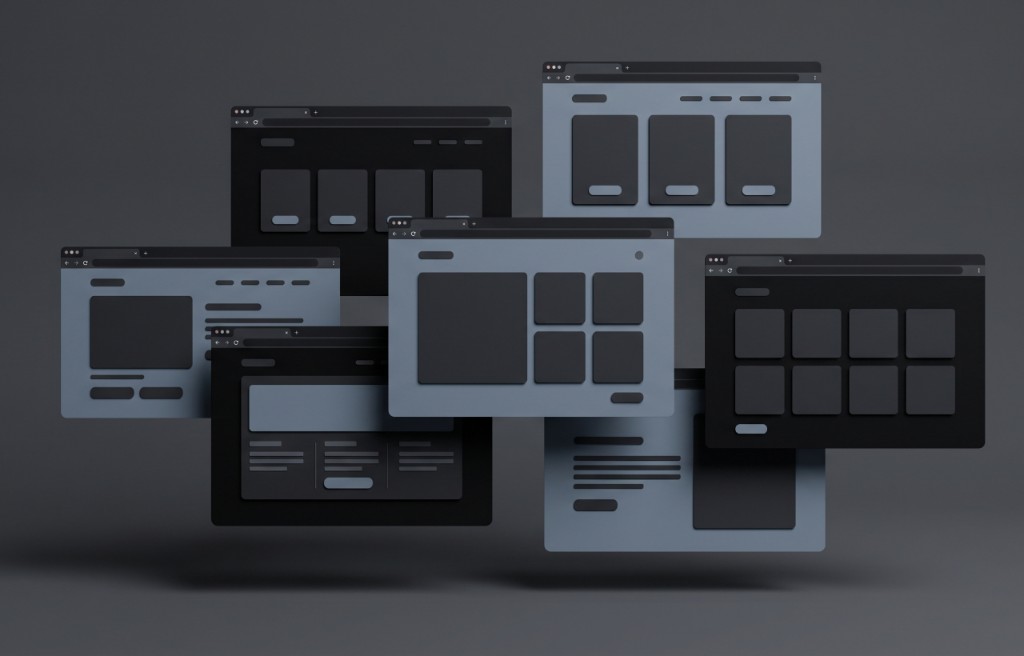
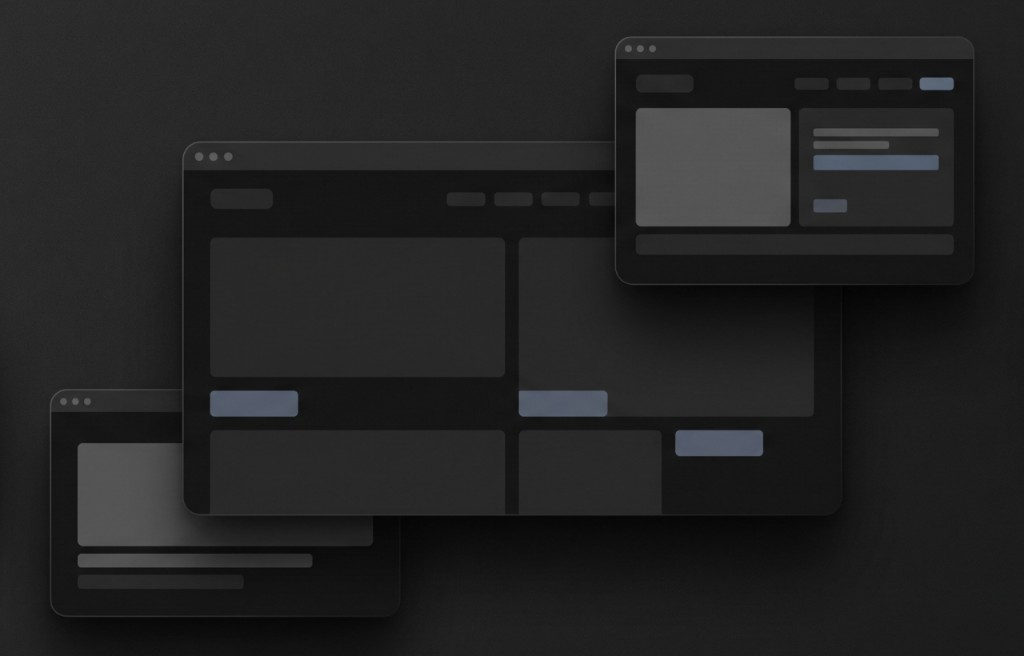
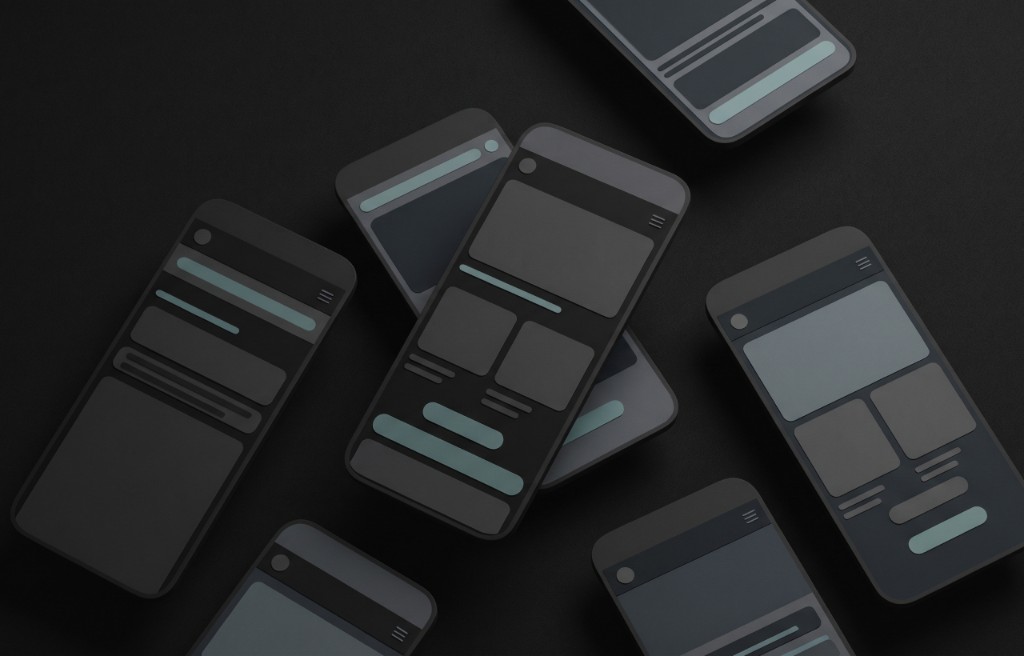
For example, an ebook can be shown as a cover preview. A website template can be shown inside browser shapes. A course can be shown with lesson previews. A design pack can be shown as a set of visual cards. A software dashboard can be shown as a clean interface preview.
These visuals help customers understand what they are getting. This can make the launch feel more professional and valuable.
Mockups make physical products easier to visualize
Physical products also benefit from mockups before launch. This is especially true for products with packaging, labels, prints, or custom designs.
A product mockup can show a box, pouch, bottle, jar, bag, shirt, mug, poster, notebook, or other item in a realistic way. This helps people understand the shape, style, and design placement.
For product launches, these visuals can be used before final photos are ready. They can also help create early marketing materials while the product is still being prepared.
Mockups help create a consistent launch style
A product launch should have a consistent visual style. If every image looks different, the launch can feel messy. Consistent mockups help the product feel more organized and easier to recognize.
Use similar colors, lighting, backgrounds, spacing, and image style across the launch. This does not mean every image must look the same. It means they should feel like they belong to the same campaign.
A consistent launch style can make a small brand look more professional and prepared.
Mockups help show product value
A mockup can help show why a product is useful or attractive. It can highlight the product's style, purpose, and possible use. This helps people understand the value faster.
For example, a planner mockup can show organized pages. A packaging mockup can show a clean and premium product style. A website template mockup can show a polished layout. A clothing mockup can show how a design looks when applied to a real item.
The mockup should support the main message of the product. It should help people see why the product matters.
Keep launch mockups simple
A launch mockup should be easy to understand. If the image is too busy, people may not know what to focus on. This is especially important for social media, ads, and landing pages.
A simple mockup with clear product focus is often more effective than a complex scene. The product should be visible, the design should be readable, and the background should support the message.
Simple visuals are also more timeless. They are less likely to feel outdated after a short time.
Avoid misleading launch mockups
A mockup should make the product look clear and professional, but it should not create false expectations. If the final product will look very different from the mockup, customers may feel disappointed.
Make sure colors, size, shape, and materials are shown as honestly as possible. If the mockup is only a concept preview, the surrounding content should make that clear. Trust is important during a launch, especially for new brands.
A strong launch is built on excitement and honesty at the same time.
Use mockups with product descriptions
A mockup works best when it supports clear written content. The image shows the product visually, while the description explains the details. Together, they create a stronger presentation.
For example, the mockup can show the product style, and the description can explain the materials, size, features, use cases, or benefits. This helps customers understand both the look and the value of the product.
Good launch content should be simple, clear, and focused. Mockups can make that message easier to absorb.
Check mockups on different screen sizes
Launch visuals may appear on websites, phones, emails, social media, ads, and presentations. A mockup that looks good on a large screen may not work well on a small screen.
Before publishing, check if the product is still easy to see on mobile. Make sure important details are not too small. Avoid images where the product is hidden in too much empty space or surrounded by too many objects.
A launch image should be clear wherever people see it.
Common mistakes during product launches
One common mistake is using mockups that look beautiful but do not explain the product clearly. Another mistake is using too many different visual styles, which can make the launch feel inconsistent. Some brands also use mockups that are too busy, too dark, too small, or too unrealistic.
Another mistake is launching with only one product image. A single image may not answer enough customer questions. It is often better to use several useful mockups that show the product from different views or explain different benefits.
The goal is to help people understand the product with confidence.
Simple checklist for launch mockups
Before using a mockup for a product launch, ask these questions. Is the product easy to see? Does the mockup match the product type? Does the image support the launch message? Is the style consistent with the brand? Does it look good on mobile? Does it avoid false expectations? Does it help people understand the product faster?
If the answer is yes, the mockup is likely useful for the launch. If the answer is no, choose a clearer or more suitable mockup.
Final thoughts
Mockups are valuable tools for product launches because they make new ideas easier to present. They help explain the product, build interest, support launch pages, improve social media content, collect feedback, and create a more professional first impression.
A good launch mockup should be clear, honest, consistent, and matched to the product style. It should help people understand what the product is and why it matters.
Whether you are launching a physical product, a digital product, a brand concept, or a design based offer, mockups can help you turn an idea into a visual presentation that people can understand quickly.
When used well, mockups can make a product launch feel more prepared, more trustworthy, and more memorable.