Branding is more than a logo. A brand includes colors, typography, images, packaging, social media style, printed materials, product presentation, and the general feeling people have when they see a business. A strong brand should look clear and consistent in many places. It should work on a website, business card, product package, social media post, sign, label, and other materials.
This is why mockups are so useful for branding. A branding mockup helps show how a visual identity will look in real situations. Instead of showing a logo or color palette alone, a mockup places those brand elements on real items and useful surfaces. For beginners, branding mockups are one of the easiest ways to make a brand presentation look more professional, complete, and easy to understand.
What is a branding mockup?
A branding mockup is a realistic visual preview of how a brand identity may look when used in the real world. It can show a logo on a business card, a package, a shopping bag, a website, a sign, a product label, a notebook, a social media post, or a uniform. The goal of a branding mockup is simple. It helps people see how the brand works outside of a flat design file.
A logo on a white background can look good, but it does not show the full brand experience. A branding mockup gives the logo and visual identity more context. It helps people imagine the brand as a real business.
Why mockups matter in branding
Mockups matter in branding because they make a brand easier to understand. Many people find it hard to imagine how a logo, color, or design system will look when used in real life. A mockup solves this problem by showing examples. For example, a restaurant brand can be shown on menus, cups, bags, signs, and social media posts.
A beauty brand can be shown on bottles, labels, boxes, cards, and website pages. A tech brand can be shown on screens, app previews, landing pages, and digital ads. This makes the brand feel more complete. Mockups also help with feedback. It is easier to review a brand when you can see how it looks in different places.
Branding mockups make presentations stronger
A brand presentation should tell a clear visual story. If you only show a logo and a color palette, the presentation may feel incomplete. A client, team member, or customer may understand the basic design, but not the full brand feeling. Mockups help make the presentation stronger because they show the brand in action.
They answer important questions. How does the logo look on a business card? How does the packaging feel? Does the brand look good on social media?
Does the color palette work across different materials? Does the brand feel modern, friendly, premium, playful, or professional? A good mockup can answer these questions without a long explanation.
Logo mockups for branding
Logo mockups are one of the most common types of branding mockups. They show how a logo looks in real situations. A logo can be placed on a wall sign, storefront, business card, package, shopping bag, notebook, website header, label, or social media image. This is useful because a logo must work in many sizes and places.
A logo that looks good on a white background may not always look good on a dark package or small label. A logo mockup helps test this before the brand is used publicly. Logo mockups also help clients and business owners see the logo as part of a real brand, not just as a simple graphic.
Business card mockups
Business card mockups are useful for showing a brand in a professional and personal way. Even in a digital world, business cards are still a simple way to show brand identity. They include the logo, colors, typography, name, contact details, and layout style.
A business card mockup can help show if the brand feels clean, premium, friendly, bold, or minimal. It also helps check if the logo is readable and if the contact information is easy to understand. For a brand presentation, a business card mockup can make the identity feel more real and organized.
Packaging mockups for branding
Packaging is very important for product based brands. A package is often one of the first things a customer sees. It can affect how valuable, trustworthy, or interesting a product feels. Packaging mockups help show how a brand looks on boxes, bottles, jars, cans, pouches, bags, labels, tubes, and wrappers.
They are useful for beauty products, food products, drinks, candles, coffee, clothing, gifts, and many other items. A packaging mockup can show the logo, product name, colors, label style, and overall brand feeling. It can also help compare different versions before printing or production.
Social media mockups for branding
Social media is an important part of branding. Many people first discover a brand through social media. This means the brand should look consistent in posts, stories, profile images, banners, ads, and campaign visuals. Social media mockups help show how the brand will appear on platforms like Instagram, Facebook, TikTok, LinkedIn, and Pinterest.
They can show post layouts, story designs, product announcements, quote graphics, sale posts, and profile previews. This helps brands plan a visual direction before publishing content. A strong social media mockup can show if the brand feels clear and recognizable online.
Website mockups for branding
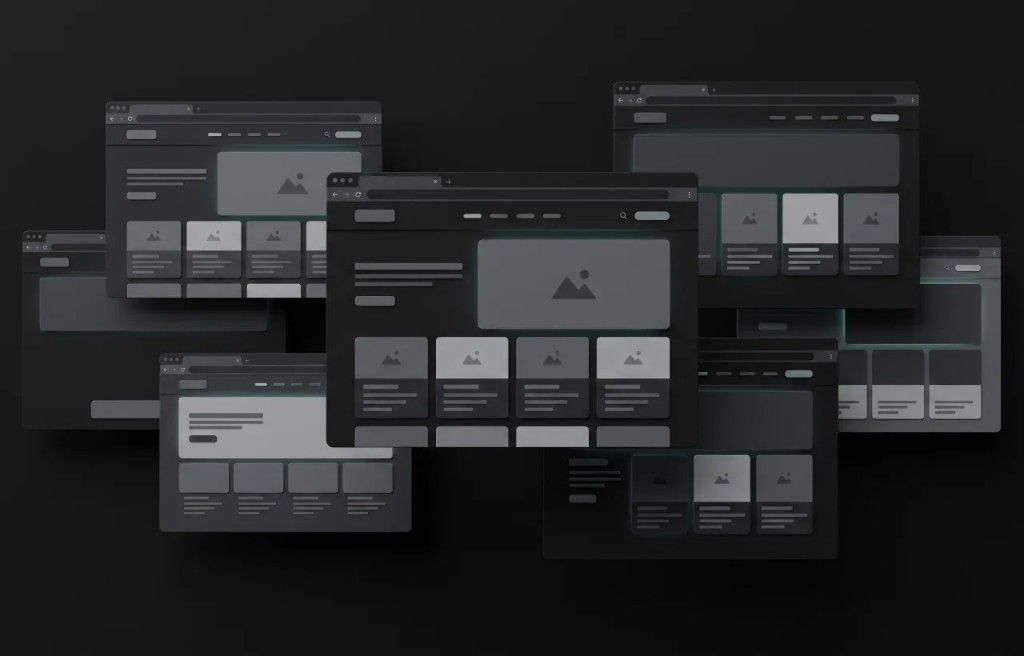
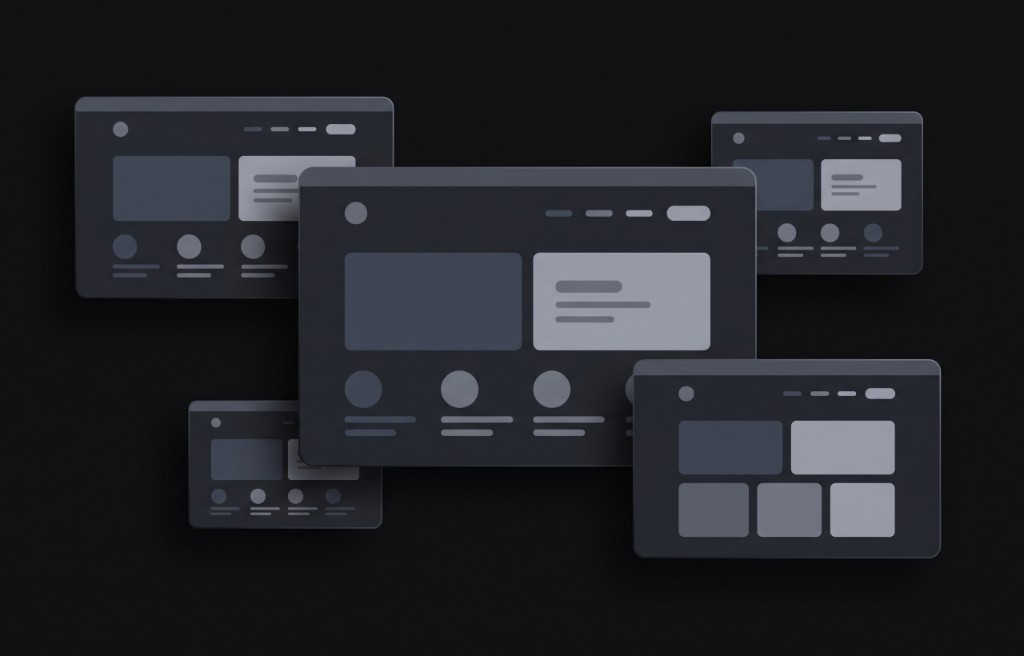
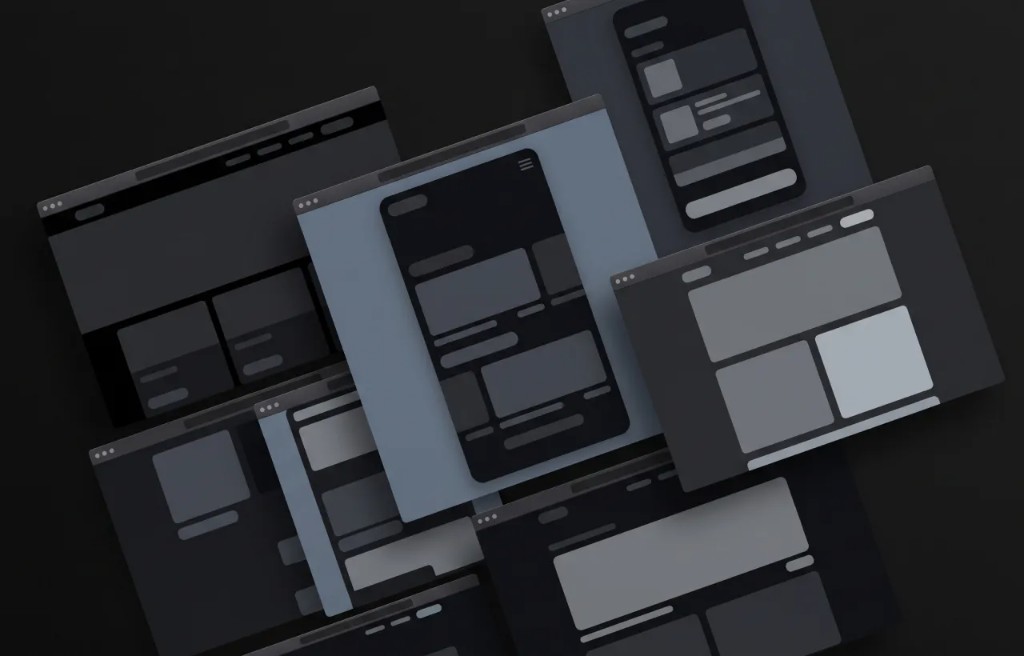
A website is often the main place where a brand explains itself. Website mockups help show how the brand identity works on digital pages. They can include the home page, product page, about page, pricing page, blog page, contact page, or landing page. A website mockup can show colors, buttons, typography, images, icons, spacing, and layout style.
This is useful because a brand must not only look good on printed materials. It must also work on screens. A website mockup helps connect the visual identity with the online experience.
Stationery mockups
Stationery mockups show brand materials such as letterheads, envelopes, folders, notebooks, invoices, cards, and documents. These mockups are useful for businesses that want to look professional and consistent. A stationery mockup can show how the logo, colors, and typography work together in simple printed materials. This is helpful for agencies, consultants, law firms, studios, hotels, restaurants, real estate businesses, and service brands. Stationery may seem simple, but it can make a brand feel more complete and trustworthy.
Signage mockups
Signage mockups show how a brand looks on signs and physical spaces. This can include storefront signs, wall logos, office signs, restaurant signs, event signs, window graphics, and outdoor boards. Signage mockups are useful because signs are often seen from a distance. The logo and brand name must be clear and readable.
A signage mockup helps test if the brand works at larger sizes. It also helps show how the brand may feel in a real location. For local businesses, restaurants, stores, studios, and offices, signage mockups can be very powerful.
Merchandise mockups
Merchandise mockups show how a brand looks on items people can wear or use. This can include t shirts, hoodies, caps, tote bags, mugs, stickers, notebooks, phone cases, and water bottles. Merchandise mockups are useful for creators, events, communities, startups, and lifestyle brands. They help show how the brand can become part of daily life.
A good merchandise mockup should feel natural and match the brand style. A serious business may need clean and simple merch. A fun brand may use colorful and bold items.
How mockups help show brand consistency
Consistency is one of the most important parts of branding. A brand should feel connected across different materials. The logo, colors, typography, and visual style should not feel random. Mockups help show this consistency.
When a brand appears on packaging, business cards, social media, website screens, and signs, you can see if everything feels connected. If the mockups look too different from each other, the brand may need more work. If they feel like part of the same system, the brand is stronger.
How mockups help clients understand branding
Clients do not always think like designers. A designer may understand how a logo and color palette can become a full identity. But a client may need to see examples before they understand the value. Branding mockups make the idea clear.
They show the client how the brand may appear in real business situations. This can make the approval process easier. It can also reduce confusion, because the client can see the brand instead of only imagining it. For freelancers and agencies, mockups can make brand presentations look more professional and complete.
How mockups help small businesses
Small businesses can use mockups to look more prepared before they create all physical materials. A new coffee shop can preview cups, bags, menus, signs, and social media posts. A skincare brand can preview bottles, boxes, labels, and product images.
A clothing brand can preview tags, packaging, apparel, and shopping bags. A service business can preview business cards, website pages, documents, and social media graphics. This helps small businesses make better decisions before spending money on printing, production, or photography.
Choosing the right mockups for a brand
The right mockup depends on the type of brand. A food brand may need packaging, labels, menus, and social media mockups. A fashion brand may need clothing, tags, bags, website, and social media mockups. A tech brand may need website, app, device, dashboard, and landing page mockups.
A beauty brand may need bottles, jars, boxes, labels, and elegant product scenes. A service brand may need business cards, documents, website pages, and presentation mockups. The mockup should match where the brand will actually appear.
Match the mockup style to the brand personality
Every brand has a personality. Some brands are modern and minimal. Some are playful and colorful. Some are luxury and elegant.
Some are friendly and casual. Some are bold and energetic. The mockup style should match that personality. A luxury brand may look better with simple backgrounds, soft lighting, and clean space.
A playful brand may look better with bright colors and fun scenes. A natural brand may look better with calm textures, warm light, and organic materials. A tech brand may look better with clean screens and modern layouts. When the mockup style matches the brand, the presentation feels more believable.
Keep branding mockups simple
Simple mockups are often stronger than busy mockups. The goal is to show the brand clearly. If the scene has too many objects, colors, or effects, the viewer may lose focus. A clean mockup helps the logo, colors, and design details stand out.
This is especially important for brand presentations. The viewer should understand the brand quickly. Simple does not mean boring. It means focused. A focused mockup makes the brand easier to remember.
Use mockups to compare brand options
Mockups can help compare different brand directions. For example, a business may want to choose between two logo versions, two color palettes, or two packaging styles. Seeing the options in real situations can make the decision easier. A logo may look strong alone, but weaker on packaging.
A color palette may look good on a screen, but less clear on printed materials. Mockups help reveal these problems early. This makes branding decisions more practical and less based on guesswork.
Common mistakes in branding mockups
One common mistake is using mockups that do not match the brand. For example, a premium brand may look wrong in a cheap or messy scene. A fun brand may look too serious in a cold corporate mockup. Another mistake is using too many different styles.
If every mockup has different lighting, colors, and mood, the brand presentation may feel inconsistent. A third mistake is making the logo too small or hard to read. The mockup should support the brand, not hide it. Good branding mockups are clear, consistent, and matched to the brand personality.
Branding mockup checklist
Before using a branding mockup, ask these questions. Does the mockup match the brand personality? Is the logo easy to see? Are the colors clear and consistent?
Does the mockup feel realistic? Does the scene support the brand instead of distracting from it? Does the full presentation feel connected? Would a client or customer understand the brand better after seeing it? If the answer is yes, the mockup is probably useful for the brand presentation.
Final thoughts
Mockups are powerful tools for branding because they show how a visual identity works in real life. They help present logos, business cards, packaging, websites, social media posts, signs, stationery, and merchandise in a clear and professional way. A brand is not only a logo. It is the full visual experience people see across many places.
Branding mockups help make that experience easier to understand. For beginners, mockups are a simple way to make a brand presentation feel more complete. They help show consistency, improve feedback, support better decisions, and make the brand feel more real. The best branding mockups are clear, simple, realistic, and matched to the personality of the brand. When used well, mockups can turn a basic visual identity into a strong and professional brand presentation.